Maeda Escarpment, Okinawa · 29 April 1945 · 307th Infantry, 77th Division
Lord, Help Me Get One More
He would not carry a rifle. When the fire drove everyone else off the top of Hacksaw Ridge, he stayed and lowered the wounded down the cliff, one man at a time.

The moment · The summit · Maeda Escarpment
Fire crashes into the men on top of the escarpment. About 75 go down, and the rest fall back. Doss stays. He drags each wounded man to the cliff, ties him into the rope and lowers him 35 feet to friendly hands. Then he goes back for another.
Lord, please help me get one more.Desmond Doss, his prayer on the escarpment
Okinawa was the doorstep of Japan. Across the American line stood the Maeda Escarpment, 400 feet of rock riddled with caves, which the soldiers called Hacksaw Ridge. On 29 April 1945 the 307th Infantry went up it. With Company B went one medic who had refused to carry a rifle: Pfc. Desmond Doss of Lynchburg, Virginia.
A soldier without a rifle
Doss is 23 and working in a shipyard at Newport News. His boss offers him a deferment. He turns it down. A Seventh-day Adventist, he will serve his country but he will not take a life, and he will not carry a weapon. The Army makes him a medic with Company B, 1st Battalion, 307th Infantry. Some of the men throw shoes at him while he kneels to pray.
Two Bronze Stars
The 77th Division goes into combat on Guam and then on Leyte in the Philippines. Doss goes wherever a man is down, under fire, and earns two Bronze Stars for valor. The soldiers who mocked him stop. Some of them now come to him before a fight and ask him to pray for them. He calls himself a conscientious cooperator.
Up in the dark
The 307th takes over the escarpment from the 381st Infantry, which has lost 536 men there in four days. The top is a narrow, flat crest above a sheer 35-foot cliff. Mortar fire falls in the dark and someone up top cries for a medic. Doss leaves his hole, climbs to the man in total darkness and treats him. At first light he lowers him over the cliff on a rope.
Ladders and cargo nets
Overnight the 1st Battalion carries up four 50-foot ladders and five cargo nets borrowed from the Navy. On 1 May Company A climbs the ladders at the east end, and every man who stands up on top is killed or wounded. Farther west, Company B goes up the nets and has two platoons on the edge by nightfall. At midnight a counterattack throws them off. They will be driven off nine times.
One more
The battalion gains the summit, and artillery, mortar and machine-gun fire crashes into it. About 75 men go down. The rest are driven back over the edge. Doss stays. He carries the wounded one by one to the cliff, ties each to a litter or into a double bowline with two loops for the legs, and lowers him 35 feet to friendly hands. He does not stop until the last man is down.
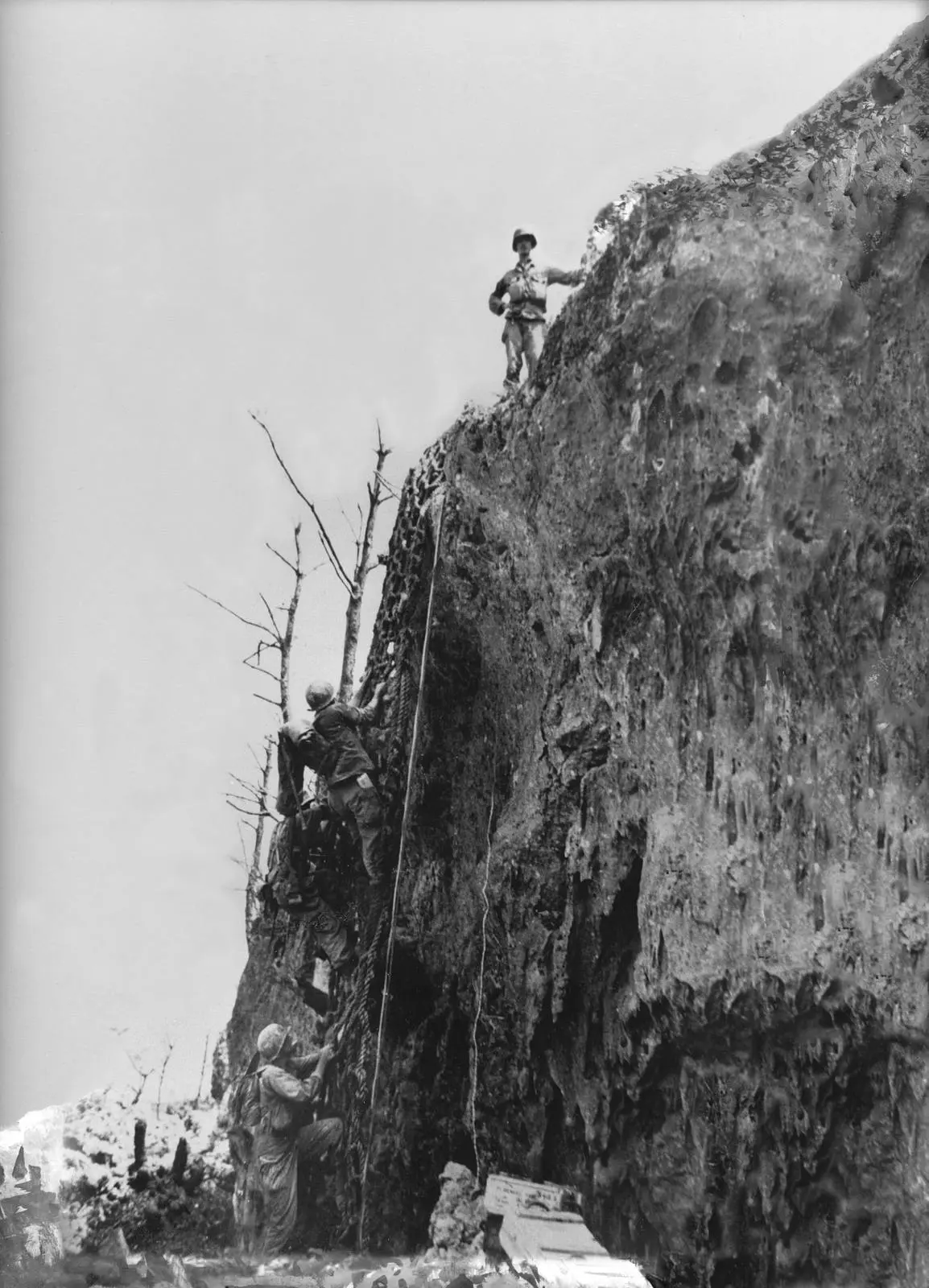
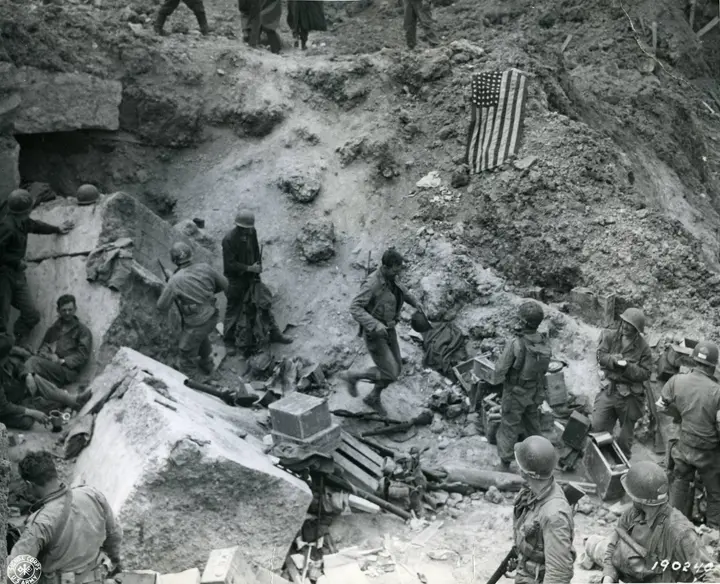
Doss stands on top of the cliff at the Maeda Escarpment as soldiers of the 307th Infantry climb the cargo net, May 1945. U.S. Army / National Archives. Doss’s prayer on the escarpmentLord, please help me get one more.
Into the caves
On 2 May Doss runs through rifle and mortar fire to a man lying 200 yards in front of the lines and brings him back. On 4 May a squad assaulting a cave is cut down. Doss goes forward through a shower of grenades to within eight yards of the cave mouth, dresses four men’s wounds and carries them out in four separate trips under fire.
1st Lt. Cecil Gornto, his platoon leader, sworn statementI have never seen a wounded man in a position too dangerous for him to go to.
The Sabbath
It is Doss’s Sabbath. The company is ordered up again, and he asks for time to finish his Bible reading. At the foot of the net he prays with the platoon, then climbs. Company B knocks out about eight positions on top. Later he works more than an hour under shellfire on a wounded artillery officer, gives him plasma, then crawls to a man who fell 25 feet from a cave and carries him 100 yards to safety.
The ridge is taken
Slowly the reverse slope is taken and the caves are blasted shut. On 6 May every battalion of the 307th pushes south off the escarpment toward Hill 187. The battle for Hacksaw Ridge is over. The 1st Battalion went up with about 800 men. When it comes down on 7 May, it has 324.
Three hundred yards
In a night attack Doss stays out in the open treating the wounded until a grenade tears into his legs. He treats himself and waits five hours for litter bearers. When a tank attack hits them, he crawls off the litter and sends them to a worse case first. Then he is hit again, and his arm is shattered. He splints it to a rifle stock and crawls 300 yards to the aid station.
The men

Shipyard worker from Lynchburg, Virginia, who turned down a deferment and refused to carry a weapon. Won two Bronze Stars for valor on Guam and Leyte. On Okinawa he lowered about 75 wounded men off Hacksaw Ridge and was wounded four times.
Medal of Honor citation
He was a company aid man when the 1st Battalion assaulted a jagged escarpment 400 feet high. As our troops gained the summit, a heavy concentration of artillery, mortar and machinegun fire crashed into them, inflicting approximately 75 casualties and driving the others back. Pfc. Doss refused to seek cover and remained in the fire-swept area with the many stricken, carrying them one by one to the edge of the escarpment and there lowering them on a rope-supported litter down the face of a cliff to friendly hands. On 2 May, he exposed himself to heavy rifle and mortar fire in rescuing a wounded man 200 yards forward of the lines on the same escarpment; and two days later he treated four men who had been cut down while assaulting a strongly defended cave, advancing through a shower of grenades to within eight yards of enemy forces in a cave's mouth, where he dressed his comrades' wounds before making four separate trips under fire to evacuate them to safety. On 5 May, he unhesitatingly braved enemy shelling and small-arms fire to assist an artillery officer. He applied bandages, moved his patient to a spot that offered protection from small-arms fire and, while artillery and mortar shells fell close by, painstakingly administered plasma. Later that day, when an American was severely wounded by fire from a cave, Pfc. Doss crawled to him where he had fallen 25 feet from the enemy position, rendered aid, and carried him 100 yards to safety while continually exposed to enemy fire. On 21 May, in a night attack on high ground near Shuri, he remained in exposed territory while the rest of his company took cover, fearlessly risking the chance that he would be mistaken for an infiltrating Japanese and giving aid to the injured until he was himself seriously wounded in the legs by the explosion of a grenade. Rather than call another aid man from cover, he cared for his own injuries and waited five hours before litter bearers reached him and started carrying him to cover. The trio was caught in an enemy tank attack and Pfc. Doss, seeing a more critically wounded man nearby, crawled off the litter and directed the bearers to give their first attention to the other man. Awaiting the litter bearers' return, he was again struck, this time suffering a compound fracture of one arm. With magnificent fortitude he bound a rifle stock to his shattered arm as a splint and then crawled 300 yards over rough terrain to the aid station. Through his outstanding bravery and unflinching determination in the face of desperately dangerous conditions Pfc. Doss saved the lives of many soldiers. His name became a symbol throughout the 77th Infantry Division for outstanding gallantry far above and beyond the call of duty.

Led the battalion that took the Maeda Escarpment. His men were thrown off Needle Rock and the top nine times before they held for good. On 4 May they blew the main cave and pillbox network and held it against repeated counterattacks.
By the numbers
In pictures


Watch, listen, see
Films, photographs and first-hand accounts from across the web. Each opens in a new tab.

Doss, in his own words, on his war, his faith and what the Medal of Honor stands for.
Congressional Medal of Honor SocietyThree recorded interviews, a photo album, his Medal of Honor certificate and his memoir “Miracle Day.”
Library of Congress Veterans History ProjectDoss tells Army medical historians how he tied his knot and got his men off the escarpment.
Army Medical Department (archived)
The official citation: the escarpment, the caves and the 300-yard crawl with a shattered arm.
Army Medical Department Center of History and Heritage
Lt. Cecil Gornto’s June 1945 eyewitness statement, filed with the Army’s case for Doss’s Medal of Honor.
National Archives
Okinawa: The Last Battle, chapter 11: the ladders, the cargo nets and the fight for Hacksaw Ridge.
U.S. Army Center of Military History · HyperWarPresident Truman awards the Medal of Honor to Corporal Doss on the White House lawn, 12 October 1945.
Truman Library · National Archives
The museum’s account of Doss’s war, with the full citation and Truman’s words to him.
The National WWII Museum“His name became a symbol throughout the 77th Infantry Division for outstanding gallantry far above and beyond the call of duty.”
Medal of Honor citation, Pfc. Desmond T. Doss, War Department General Orders No. 97, 1 November 1945
After
On 12 October 1945 President Truman hung the Medal of Honor around Corporal Doss’s neck on the White House lawn. Doss remembered the President telling him, “I consider this a greater honor than being president.” He was the first conscientious objector ever to receive it.
He had caught tuberculosis on Leyte. He spent five and a half years in treatment, lost a lung and five ribs, and left the hospital in 1951 with a 90 percent disability. He raised a family on a small farm in Rising Fawn, Georgia, and told the Army, the Library of Congress and anyone who asked that the glory belonged to God.
Doss died on 23 March 2006, aged 87, and lies in Chattanooga National Cemetery. In 2016 his story reached millions in the film Hacksaw Ridge. In September 2026 American service members on Okinawa volunteered to clear the brush from the ridge to keep the battlefield from being overgrown.
Primary sources
- Medal of Honor citation, Pfc. Desmond T. Doss. War Department General Orders No. 97, 1 November 1945.
- Roy E. Appleman et al., Okinawa: The Last Battle, chapter XI. U.S. Army Center of Military History, 1948.
- Private First Class Desmond T. Doss Interview, 20 March 1987. Army Medical Department Office of Medical History.
Keep exploring
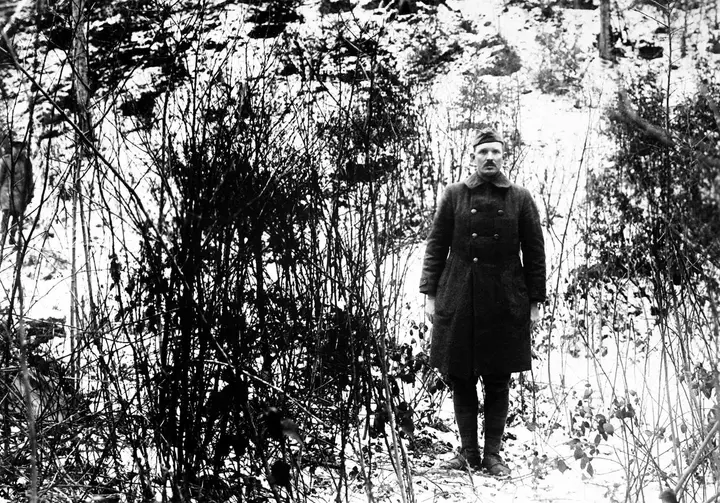
- Sergeant YorkA Tennessee marksman in the Argonne Forest silenced a German machine-gun nest and marched 132 prisoners back.132prisoners
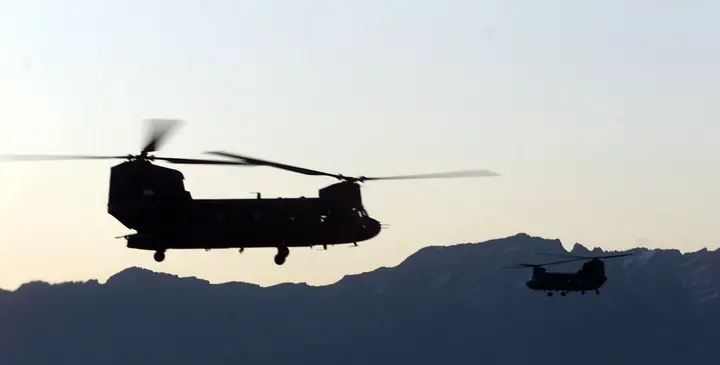
- Roberts RidgeOn a frozen Afghan peak, SEALs, Rangers and airmen fought 17 hours to reach a fallen SEAL. Seven died, and not one was left behind.10,000+feet up
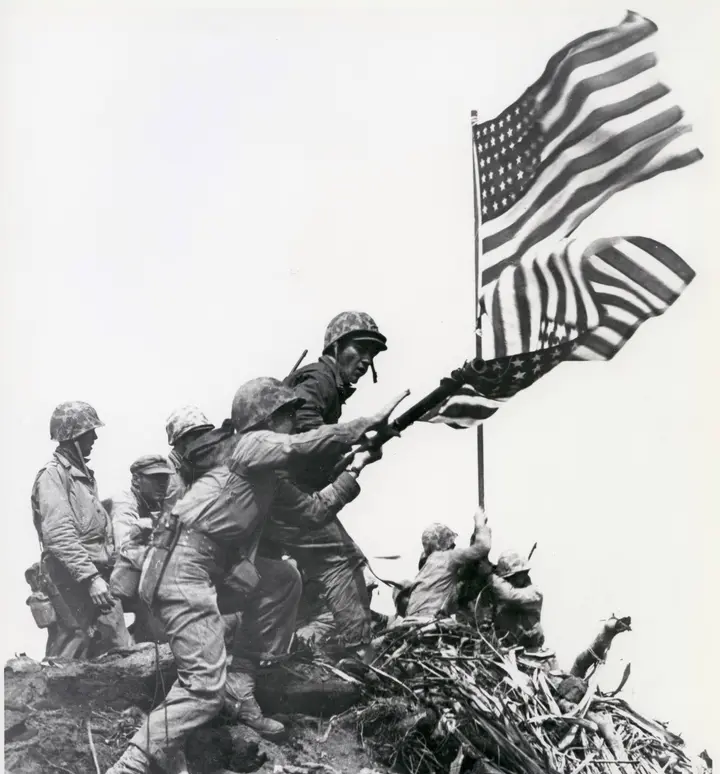
- Iwo JimaThirty-six days on eight square miles of volcanic rock. More Medals of Honor than any other battle of the war.27Medals of Honor
- The Boys of Pointe du Hoc225 Rangers climbed a sheer cliff under fire and destroyed the guns aimed at the D-Day beaches.100ft of cliff


Free, with no ads. Support the museum →